What do Nutritional Therapists help with and how to find one?
You might be someone who gets bloated after every meal. Or someone who feels exhausted by mid-morning despite a full night’s sleep. Maybe your skin flares up regularly, or you’re dealing with unpredictable mood or energy changes.
These are just a few of the reasons people turn to nutritional therapists.
Common concerns supported by nutritional therapists include:
- Digestive issues (IBS, bloating, reflux, gall bladder issues, gout etc.)
- Fatigue or low energy
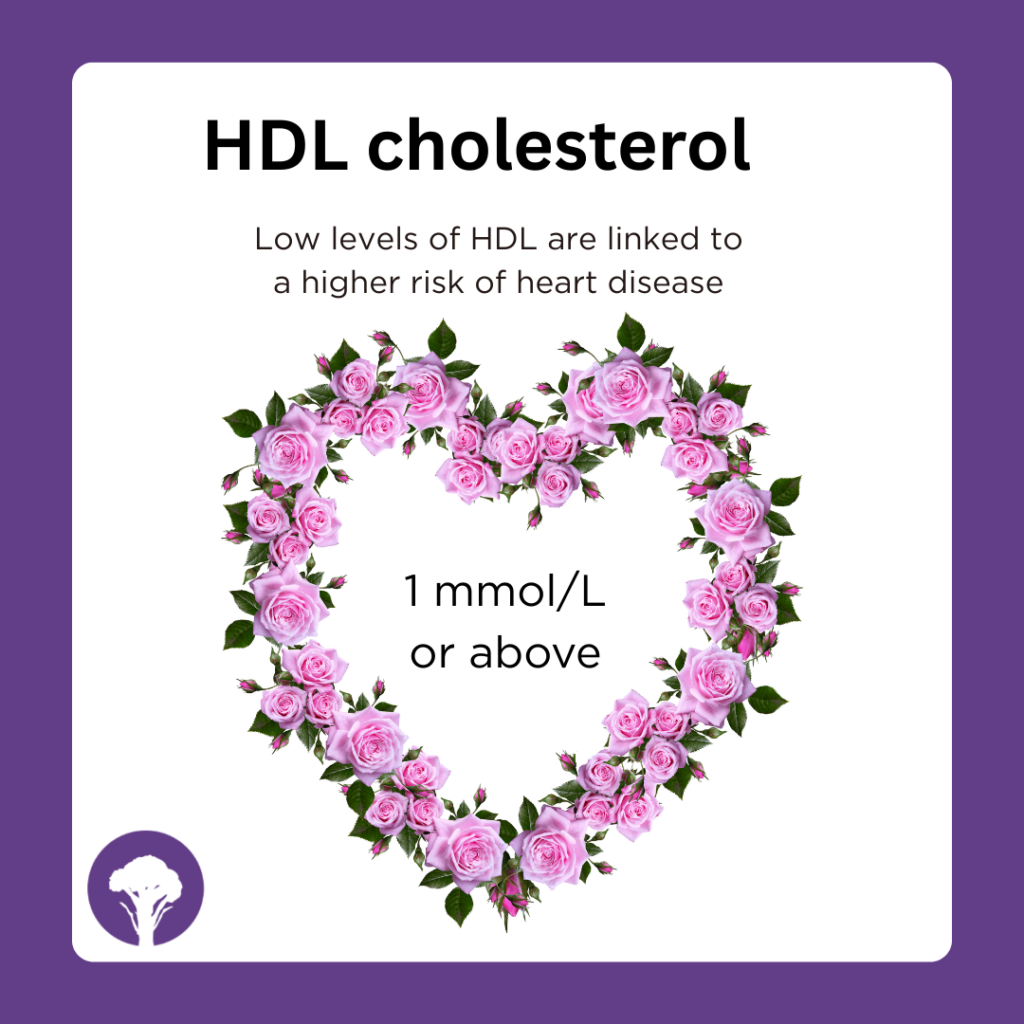
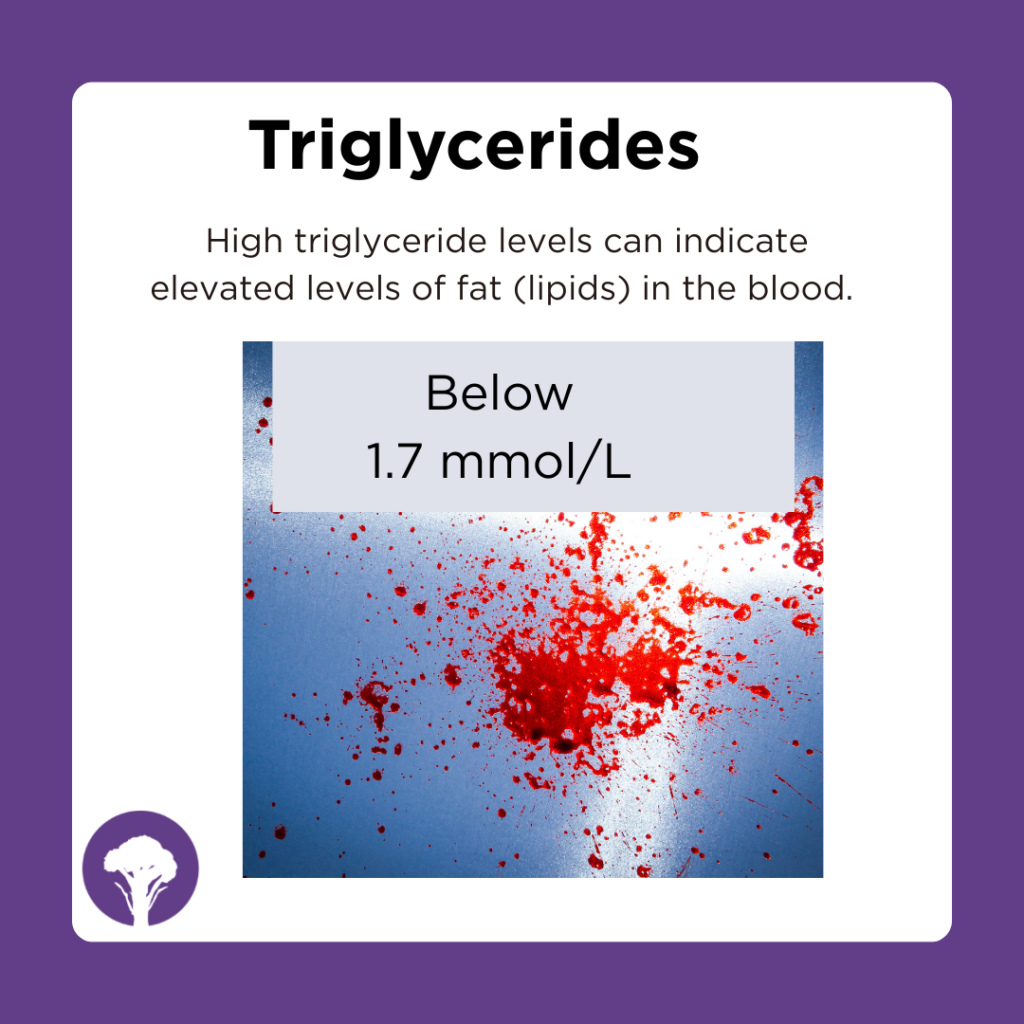
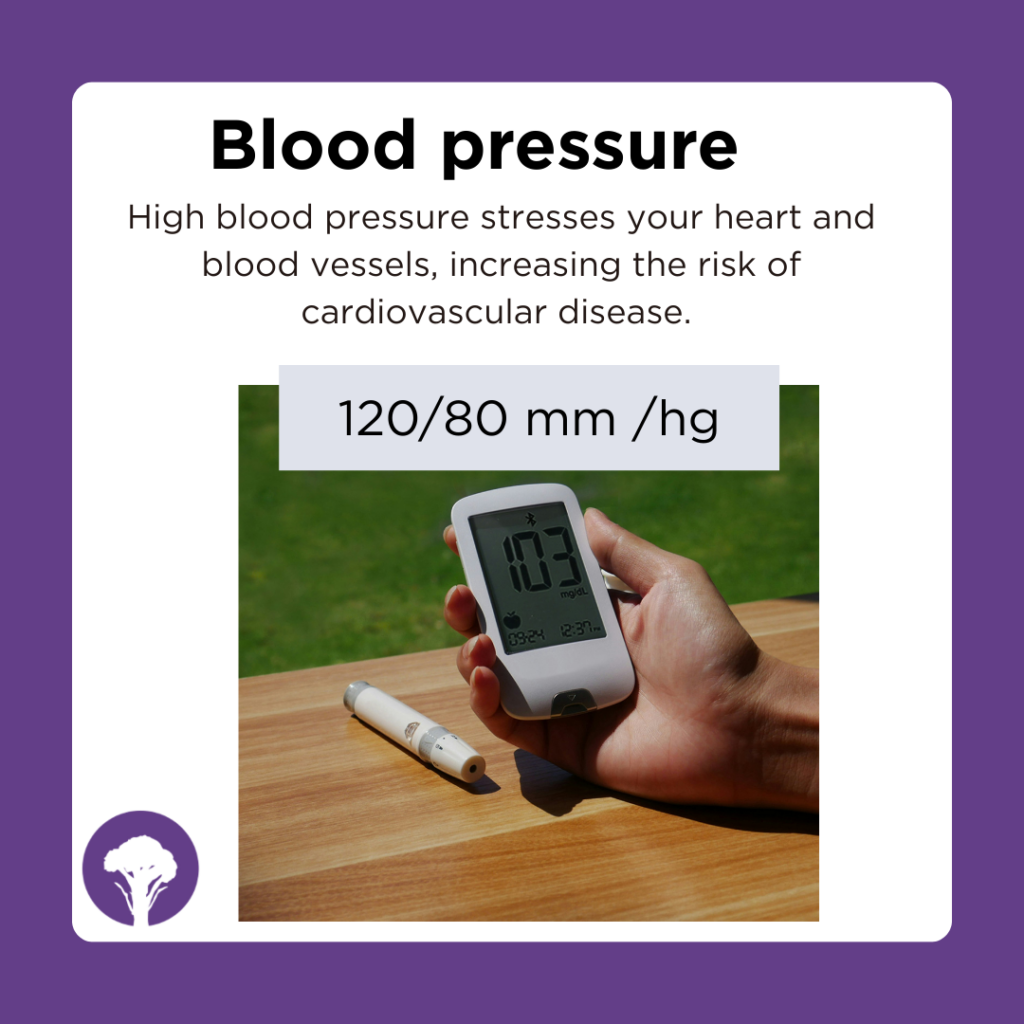
- Pre diabetes and heart health especially cholesterol
- Osteoporosis and issues with bone density
- Skin conditions
- Female hormonal health (PMS, perimenopause, PCOS)
- Stress and mental wellbeing
- Autoimmune conditions such as arthritis
- Healthy ageing and preventive healthcare
- Optimising athletic performance
You don’t need to be diagnosed with a condition to work with a nutritional therapist. Many clients seek support for prevention, performance, or simply to understand their bodies better.
Why People Seek Nutritional Therapy
Many people turn to nutritional therapists after trying multiple solutions—diets, supplements, or private testing—without clarity or consistent results. Others feel dismissed by standard medical care or overwhelmed by conflicting online advice.
Nutritional therapy offers a structured, evidence-informed approach to identifying patterns and making progress that lasts.
It’s ideal for anyone who:
- Has symptoms that don’t have a clear medical diagnosis
- Feels like they’ve tried everything but still don’t feel well
- Wants to optimise health before issues become problems
- Prefers natural, lifestyle-based strategies alongside medical care
How to Find a Qualified Nutritional Therapist
To ensure you’re working with a properly trained practitioner:
- Look for CNHC registration – this confirms they are qualified and regulated
- Check for BANT membership – this indicates high standards of ethics, education, and science-led practice
- Use BANT’s Find a Practitioner tool
- Visit the CNHC public register to verify credentials
Discover the Value of Working with a BANT-Registered Nutritional Therapist
Nutritional therapists play a vital role in bridging the gap between general wellness advice and personalised healthcare. They take time to understand how your diet, genetics, environment, and lifestyle interact and use that insight to guide tailored, evidence-based recommendations that help you feel better, for longer.
Generic nutrition tips and one-size-fits-all plans can fall short. Working with a Registered Nutritional Therapist puts your individual needs at the centre. For many clients, it’s the first time their symptoms, history, and goals have been fully explored and connected into a clear plan.
This approach supports symptom improvement while also helping you reconnect with your body, increase daily energy, and take charge of your long-term wellbeing.
If you’re ready to stop guessing and start understanding what your body really needs, a Registered Nutritional Therapist could make all the difference. Please feel free to get in touch or book a call via my website.