Why I trained in breathwork

The history

Until I learnt about the science of breathing, I really didn’t give breathing or how I breathed much thought.

If I ran up the stairs or if the gardening got a bit physical, it was just easier to open my mouth. No one told me not to!  I just didn’t think about it. We humans tend to take the easy option especially if we can’t see a reason not to.

The only other time I would think about breathing was if I was in an exercise class. If it ended with a relaxation the instructor might guide our attention to  follow the breath, perhaps breathing deeper or slower.  What I didn’t understand was that this mattered all day, every day, for every breath. That with every in-breath I took, my stomach and diaphragm should move out and down, and that the number of breath’s I took per minute was important.  Quite honestly I hadn’t understood any of this and yet it is a fundamental aspect of our physiology and therefore our health. 

The main reason

When I first trained in breathing the main reason I did so was because I knew that addressing oxidative stress, created as a by-product of metabolic processes, was critical for the body to function well. Our digestive system and the absorption of food is one the core metabolic processes. Your diet and your antioxidant balance is critical for this, but what about the oxidative stress caused by breathing? This is another essential metabolic process, perhaps even more important than food, given that most of us cannot survive more than a few minutes without it. What if, as well as ensuring sufficient antioxidant intake, you could minimise the creation of oxidative stress by breathing correctly?  It was this thought process that led me to explore breathwork.

Disordered breathing

How people breathe is frequently disordered, and this can have a negative impact on cellular and organ oxygenation, especially your muscles. This means cells and organs may not assimilate and process nutrients correctly or in sufficient amounts to function well. This can also impact any physical activity you undertake and especially if you are doing fitness or sports training or going to the gym. 

Poor breathing patterns also have a detrimental effect on the nervous system and your stress and anxiety levels, especially upper chest breathing. This is partly because it activates your fight/flight system but it’s also a chemical issue. Most of your alveoli are at the bottom of your lungs and if the breath is too shallow the oxygen doesn’t get to them.

Your heart rate variability measurement, which is how flexible and adaptable your heart is to changes in demand, is also affected by your breathing pattern. This makes sense as breathing and the heart are closely linked (see blog). There is even research to show that the number of breaths you take per minute affects your life span. Contrary to what you might think, breathing in lower levels of oxygen and taking fewer breaths per minute enhances longevity.  So, if you want to live longer you need to breathe better.

Key aspects of breathing

There are three key aspects to breathing:

Positive effects on the body and mind

There are many positive effects on your body and mind when functional breathing patterns are re-established. Here are a few to think about:

Refs: https://pmc.ncbi.nlm.nih.gov/articles/PMC12727135/

The breath and heart function

Breathing is intimately connected to your how your heart functions. It affects gas exchange, circulation and blood flow which are all very important for the heart to operate well.  

The average person has approximately 60,000 miles of blood vessels including arteries, veins and capillaries.  It’s incredible to think that if this network was laid out flat it would circle the Earth more than twice.  The problem when we breathe too shallowly or too fast is that these vessels contract.  This means the heart has to work harder to make sure sufficient blood circulates to oxygenate your body as the narrowed blood vessels incur resistance.

If our breathing is erratic rather than rhythmic this also affects our hearts performance, especially our heart rate variability (HRV).  This is a measure of how easily your heart can adapt to changes in the demands placed on it. The more adaptable your heart is, the higher your HRV and the lower your cardiovascular (CVD) risk. Slow and regular breathing also helps to normalise our blood pressure, especially if you already have high blood pressure (hypertension).

Finally breathing in a healthy and functional way helps to oxygenate your heart and body properly. When we breathe through the nose we improve our levels of CO2 and nitric oxide which helps to relax our blood vessels. The exchange of oxygen between the body tissues and the blood takes place according to the concentration gradient between these two gases.  If our levels of CO2 are depleted from breathing too fast this exchange is hampered.  The yogi’s of old knew how important breathing was for health even if they didn’t know the science behind it. 

The good news is that you can retrain your breathing with various breathing exercises.  It’s not hard it just takes a little dedication and commitment to practice.

Here’s a summary of the five main ways breathing correctly helps your heart.

Blood vessel relaxation and flexibility

Healthy levels of CO₂ relax your blood vessels and this expansion increases blood flow to the heart. This means the heart does not have to beat as fast or generate as much pressure to move blood around the body. Think of the toothpaste analogy or those tubes of filler we use when we are decorating. The smaller the hole in the tube the more pressure we have to put on the tube.

Improves heart rate variability (HRV)

Studies show that regular, paced breathing improves heart rate variability (HRV). This is a measure of how adaptable your heart is to your bodys’ needs. A higher HRV has consistently been associated with lower cardiovascular (CVD) risk.

Improves vagal nerve function

The vagus nerve carries message both to and from the body. Breathing correctly improves nervous system function and balance. This in turn reduces the stress load on the heart thereby improving it’s resilience.

Helps to normalise blood pressure

Slow breathing lowers the heart rate and both systolic and diastolic blood pressure.

Oxygenates the heart

It’s not just about the air volume you breathe, it’s about how well you can oxygenate your heart.  Nasal breathing improves CO₂ and nitric oxide levels which stimulate blood vessel relaxation (see point 1). This improves gas exchange, circulation and blood flow which are all very important for heart function.

If you struggle with your breathing or any of the issues mentioned here please get in touch, I would love to hear from you. There is more information on breathwork here. You can get in touch with me by all the usual channels or via my website.

Get in touch

Pre-operative nutrition

I frequently support clients who have either had or are going to have operations.

It is common knowledge that your nutritional status and health prior to an operation has a big impact on the outcome of surgery and your recovery post operation. It is estimated that between 24% and 65% of patients are malnourished and unfortunately this tends to increase during hospital stays. Nutritional supplementation has been shown to reduce hospitalisation costs being associated with fewer complications and shorter stays.

I have recently been researching this area for a client with impending surgery This blog is focused on protein and carbohydrate requirements pre-operation. I will consider micronutrient status in a future blog.

Surgery is stressful and our energy demands increase.  To cope with this our sugar stores (glycogen) are rapidly burnt from the liver and muscle. This can lead to significant skeletal muscles loss and some degree of this post-surgery is inevitable.

There some easy strategies you can implement though to help with muscle preservation and to support and accelerate healing.  Carbohydrate consumption pre-operation helps to:

General guidelines for nutrition before surgery

The goal is to prepare the body for the stress of surgery, support increased metabolic demand, whilst offsetting the consequences of the breakdown of body protein. The goal of pre-operative nutrition is to ensure adequate energy stores to meet the demands of the stress state. The guidelines given here are aimed at minimising some of the metabolic consequences of surgery, using nutritional supplementation to overcome some of the issues that whole foods would otherwise present.

7-10 days prior to surgery - emphasise high-quality carbohydrate and protein intake to ensure optimal nourishment. To maximise glycogen stores, the sports nutrition model suggests consuming ~60% of total energy (8 g per kg body mass) per day of carbohydrate for a minimum of 3–4 days. Protein intakes of 1.2–2.0 g/kg/day, from high-quality protein sources distributed throughout the day (20–40 g of protein per meal) is recommended to help ensure protein needs are met. 

6-12 hours before surgery – consume a well-rounded meal emphasising complex carbohydrates and high-quality protein.

6 hours before - begin abstaining from whole foods, but continue to consume protein and carbohydrate containing beverages, such as a protein shake, a sports drink, or chocolate milk. Since modified carbohydrate supplements rapidly empty from the stomach, consumption may sustain glucose levels for the duration of surgery.

2-4 hours before – It is suggested to ingest free form essential amino acids (EAA’s) to promote a positive protein balance. EAA’s contain all nine essential amino acids and do not require digestion.

Conclusion

In conclusion carbohydrate intake supports the increased post-surgical metabolic (energy) demand and wound healing. Protein intake supplies the amino acids needed for wound healing, immune function and preservation of muscle mass.  Combined amino acid and glucose intake can help to mitigate muscle loss and strength, especially prior to surgery. Depending on proximity to surgery different sources of carbohydrate and protein can be used to maximise nutritional intake. Supplemental sources can be useful to support intake during periods when whole foods are not tolerated.

This blog is written to help inform about nutritional needs pre-surgery and is based on scientific rationale. However much of this research is relatively new and further research and trials are needed to elaborate. Therefore this information does not override any medical guidelines given directly to prepare for planned surgery. These will supersede this information unless your medical team are happy to sanction otherwise.

References

https://pmc.ncbi.nlm.nih.gov/articles/PMC8156786/figure/nutrients-13-01675-f003

What do Nutritional Therapists help with and how to find one?

You might be someone who gets bloated after every meal. Or someone who feels exhausted by mid-morning despite a full night’s sleep. Maybe your skin flares up regularly, or you’re dealing with unpredictable mood or energy changes.

These are just a few of the reasons people turn to nutritional therapists.

Common concerns supported by nutritional therapists include:

You don’t need to be diagnosed with a condition to work with a nutritional therapist. Many clients seek support for prevention, performance, or simply to understand their bodies better.

Why People Seek Nutritional Therapy

Many people turn to nutritional therapists after trying multiple solutions—diets, supplements, or private testing—without clarity or consistent results. Others feel dismissed by standard medical care or overwhelmed by conflicting online advice.

Nutritional therapy offers a structured, evidence-informed approach to identifying patterns and making progress that lasts.

It’s ideal for anyone who:

How to Find a Qualified Nutritional Therapist

To ensure you’re working with a properly trained practitioner:

Discover the Value of Working with a BANT-Registered Nutritional Therapist

Nutritional therapists play a vital role in bridging the gap between general wellness advice and personalised healthcare. They take time to understand how your diet, genetics, environment, and lifestyle interact and use that insight to guide tailored, evidence-based recommendations that help you feel better, for longer.

Generic nutrition tips and one-size-fits-all plans can fall short. Working with a Registered Nutritional Therapist puts your individual needs at the centre. For many clients, it’s the first time their symptoms, history, and goals have been fully explored and connected into a clear plan.

This approach supports symptom improvement while also helping you reconnect with your body, increase daily energy, and take charge of your long-term wellbeing.

If you’re ready to stop guessing and start understanding what your body really needs, a Registered Nutritional Therapist could make all the difference. Please feel free to get in touch or book a call via my website.

What qualification dose a Nutritional Therapist have? Are they different from a "nutrionist"?

In the UK anyone can call themselves a “nutritionist”. The title is not legally protected so regardless of training anyone can call themselves a “nutritionist”.

However, Registered Nutritional Therapists including me are:

This level of regulation ensures clients are receiving safe, evidence-based advice from a qualified professional.It’s important to remember that only those registered with CNHC are recognised to deliver one-to-one clinical care.

In my case I trained with the Institute of Optimum Nutrition (ION) in London and gained a diploma (DipION, Distinction). I also did some preliminary training at the University of Westminster.

Know your numbers

This blog was inspired by an article written by a lady who had a heart attack at the super young age of 42. She did have high cholesterol and some significant family history but it really highlighted to me that ‘knowing your numbers’ is a good thing.  I am generally a cautious tester for various reasons. It can make clients anxious and there is often a lot of work you can do just based on a client’s diet and lifestyle questionnaire.   However knowing certain key health numbers can also save a life, help with motivation and direct a client’s protocol for maximum support.  

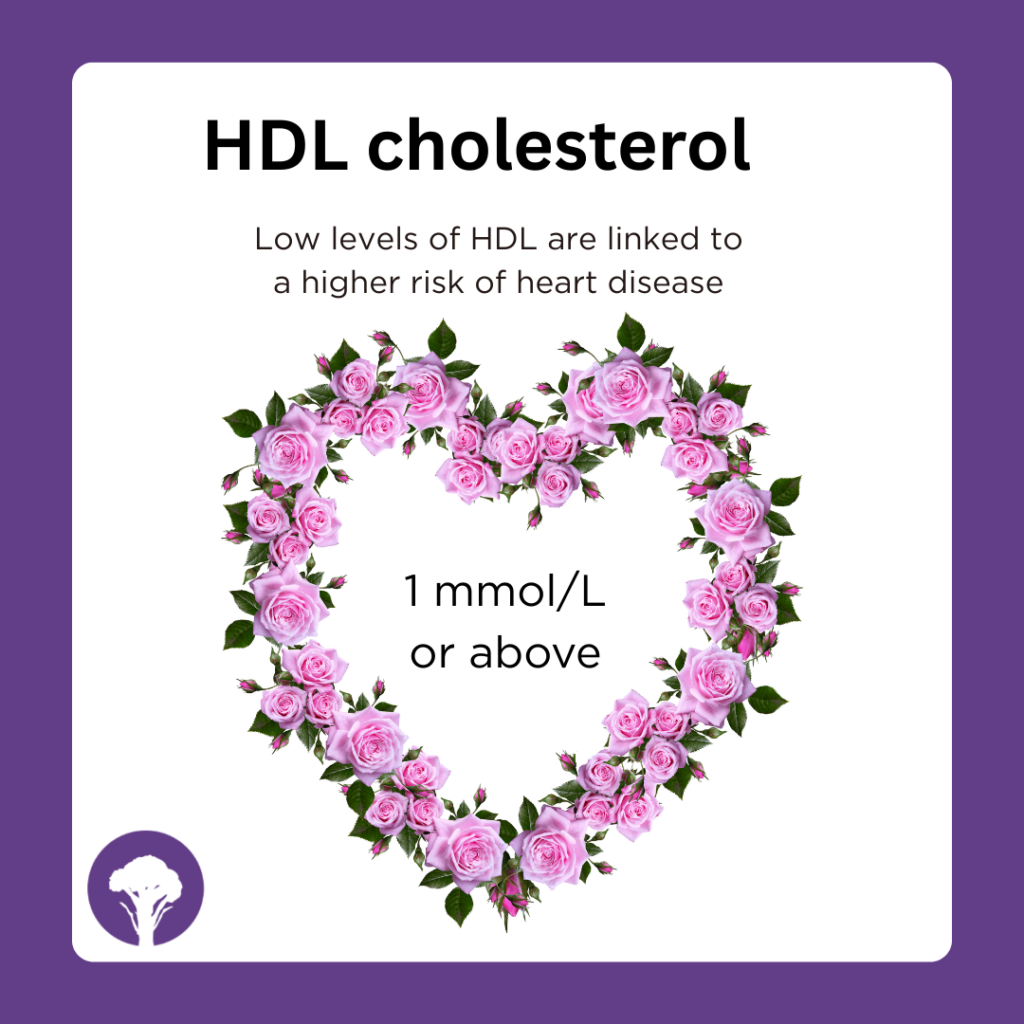
HDL cholesterol

Here are the top line numbers we should be aware of and why. 

Known as the good cholesterol, low levels of HDL are linked to an increased risk of heart disease. Cholesterol has a metabolic cycle in the body and if this is functioning well your LDL (known as ‘bad’ cholesterol) will be converted to HDL (known as ‘good’ cholesterol) and returned to the liver with any excess being excreted. It’s the overall pattern and clinical picture that matters so if you are unsure what your numbers mean it’s best to talk to your GP or health professional.

OPTIMAL LEVELS ARE:

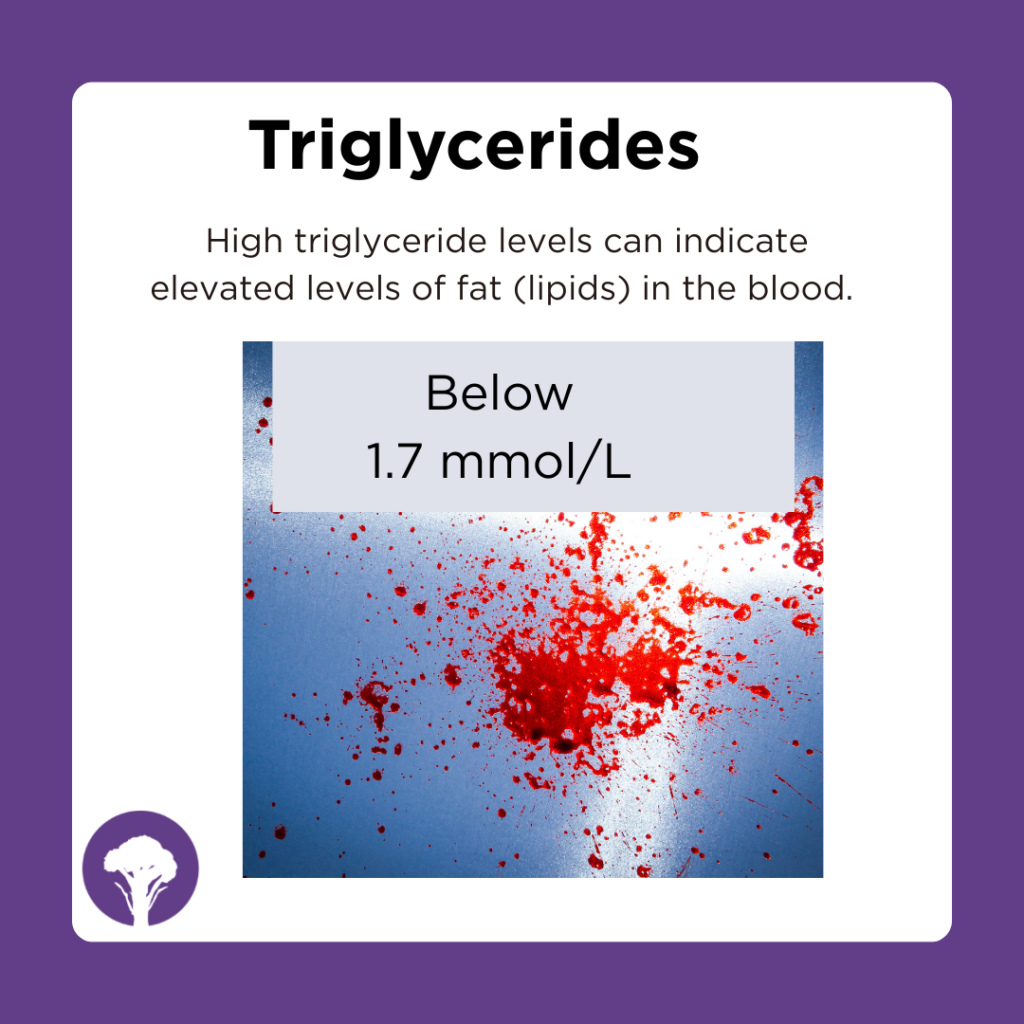
Triglycerides

High triglyceride levels can indicate elevated levels of fat (lipids) in the blood.  This figure is measured with a blood test. Remember that fat in the body is not just from fat in the diet. Any sugar that we eat in the diet that the body can’t immediately utilise for energy will be converted to fat. Sugar in the diet is not just from fruit or added sugars such as honey, syrup, sugar etc. We also convert starch from grains and vegetables to sugar during the digestive process and subsequently to fat if your cells and sugar stores (glycogen) are already full. The more processed and refined the food, the quicker this conversion happens.  

OPTIMAL LEVELS ARE: below 1.7mmol/L

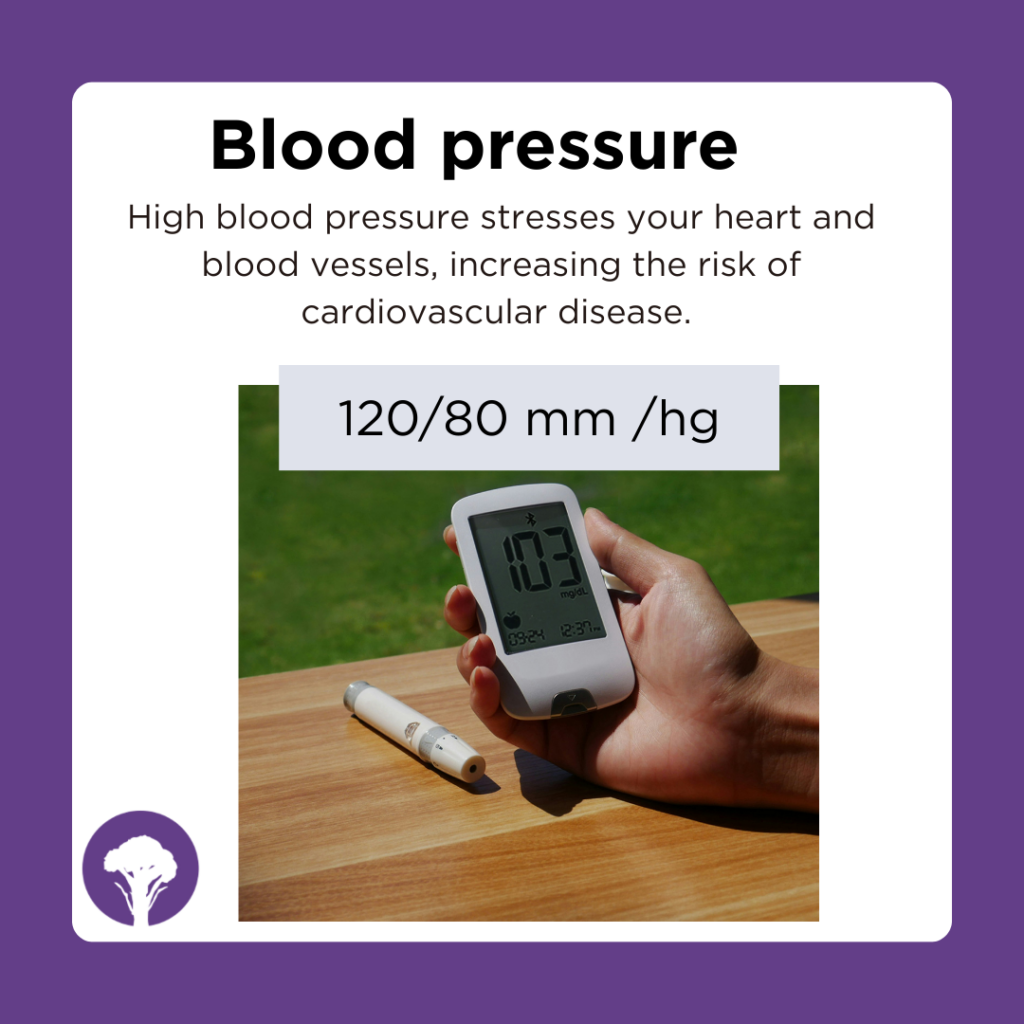
Blood pressure

High blood pressure stresses your heart and blood vessels, which increases the risk of cardiovascular disease. Healthy blood pressure is a marker of overall metabolic health. We need to manage stress, exercise regularly and maintain a healthy body fat percentage to regulate our blood pressure.

OPTIMAL PRESSURE IS: 120 /80 mm/Hg systolic/diastolic.

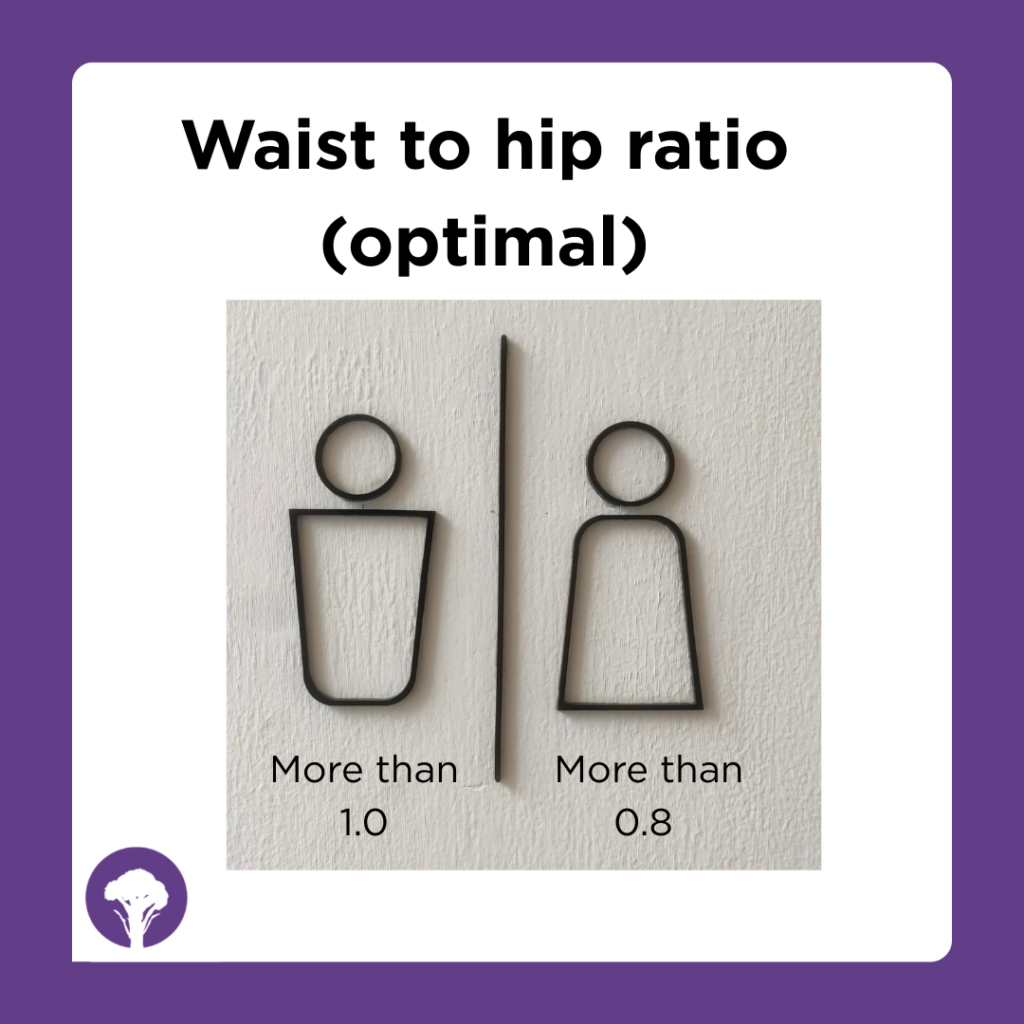
Waist to hip (WHR) ratio

Divide your waist circumference by your hip circumference to obtain your WHR.

WHR measures the ratio of your waist to your hip circumference. It determines how much fat is stored around the waist, hips, and buttocks. It is an easy, inexpensive, and generally accurate way to assess the body’s proportion of fat.  This is important as not all excess weight carries the same health risks. It can help predict your risk of heart disease and diabetes when reviewed alongside other health markers.

OPTIMAL ratio is:

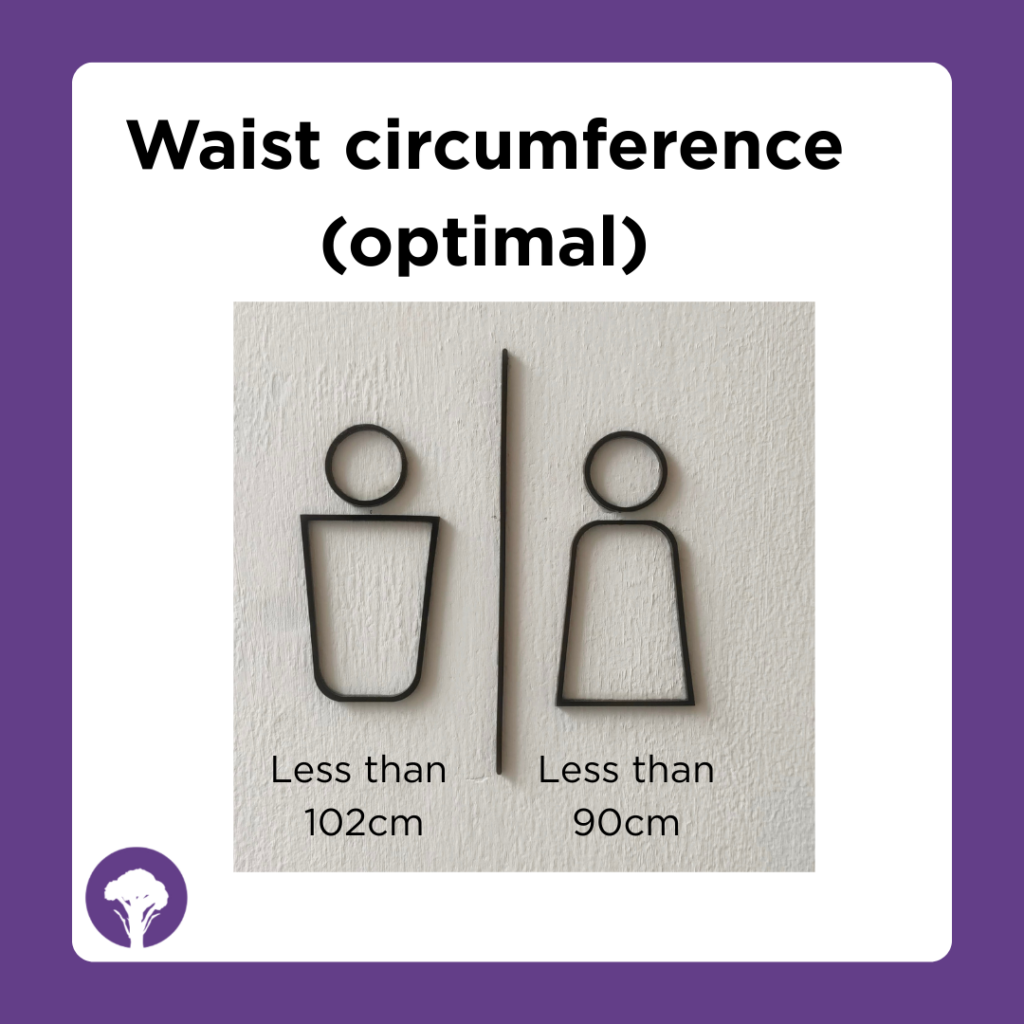
Waist circumference

This is another marker for assessing abdominal obesity which is associated with increased health risks and metabolic conditions such as diabetes and heart problems.

OPTIMAL ratio is:

I hope you have found this guide to your top-level health markers useful. Remember no test is perfect and no test can fully convey the complexity of your health.  To understand your full health picture there are many factors to take into account including information about your diet and lifestyle.

 My next blog will summarise how to improve the body’s blood fat picture.

You can read the full article that prompted this blog here: https://www.womenshealthmag.com/uk/health/conditions/a64363807/young-heart-attack/

What fats can I cook with?

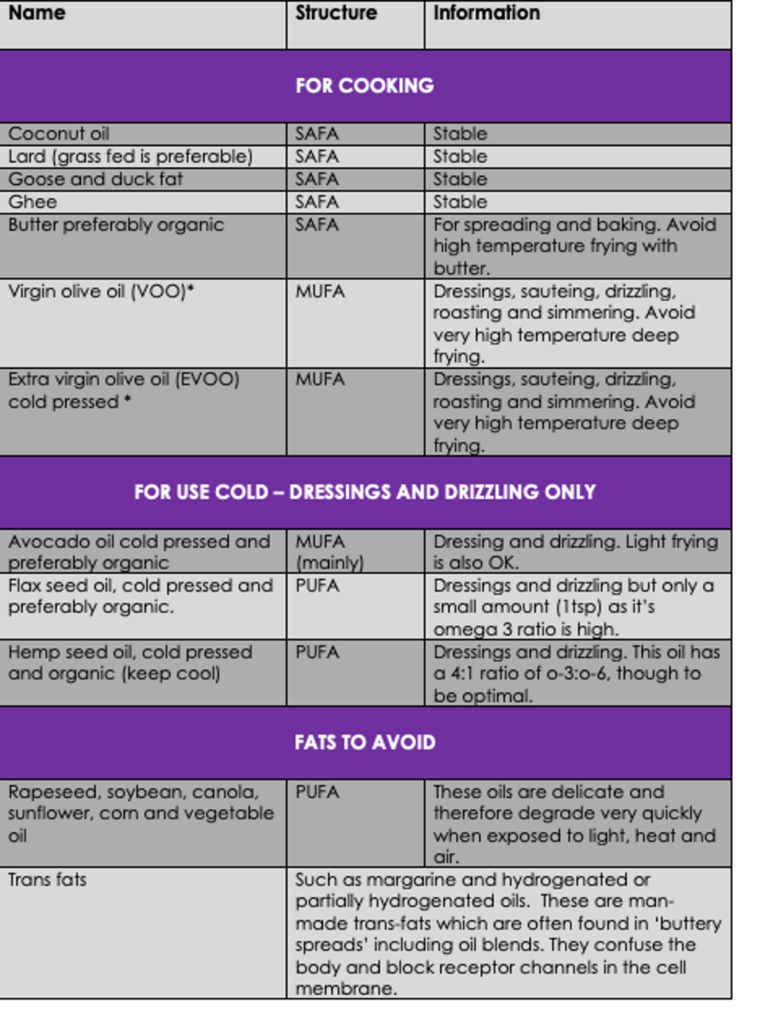
This blog is a reminder of which fats to use for cooking and which ones are best used cold in salad dressings. It also covers which ones to avoid.

Fatty acids are classified according to the presence and number of double bonds in their carbon chain. Saturated fatty acids (SAFA) contain no double bonds, monounsaturated fatty acids (MUFA) contain one, and polyunsaturated fatty acids (PUFA) contain more than one double bond.

This table above shows the fatty acid composition of various culinary oils.

You can see from the table above that oils tend to be classified according to their largest constituent. We need to cook with oils which are stable when heated and therefore have a high smoke point. The more double bonds a fatty acid has, the more unsaturated and unstable it will be, especially when heated.

The most stable fats are solid at room temperature, so lard etc. Olive oil (virgin/extra virgin) is pressed straight from the seed or fruit without further refining. There is research to show that the phenols in unrefined olive oil protect it from degradation during cooking (Ramirez-Anaya, 2015).

Oils such as rapeseed, sunflower and vegetable are obtained by washing and crushing the seeds, and then using processes such as heating, hexane, solvents, extraction, processing, bleaching, deodorization and peroxide to maximise production volume. As these oils are highly unsaturated (many double bonds) the risk of oxidation from processing is high, either during processing or if used to cook with. Most of these oils are also much higher in omega-6 than omega-3. As our diets tend to be more deficient in omega-3, I focus on hemp and flax (small amount) which have a 4:1 and a 0.3:1 ratio respectively (o-6:o-3) to try to redress this. I also advocate cold pressed and organic versions to preserve quality and nutrient content. 

The following table is a guide Whether you wish to cook with animal fats will depend on various criteria including your health and dietary preferences as well as your ability to digest and absorb fat.

Which fat to cook with and which to use for dressings and drizzles

REFS: Del Pilar Ramírez-Anaya, J. et al (2015) Phenols and the antioxidant capacity of Mediterranean vegetables prepared with extra virgin olive oil using different domestic cooking techniques. Food Chemistry Vol 188; pp. 430-438.

Essential fatty acids explained

Image source: https://www.eufic.org/en/whats-in-food/article/the-importance-of-omega-3-and-omega-6-fatty-acids

What they are and how to make sure you eat enough.

There are two fats that humans have to eat as the body cannot make them and they are required for specific functions. They are called omega-3 (ω-3) and omega-6 (ω-6) and known as essential fatty acids (EFA’s) for this reason. They are both polyunsaturated fatty acids (PUFA’s) which means that they have more than one double bond between their carbon back bone. They get their name from the carbon number where their first double bond appears (see pic).

In the diet omega-3 is found in flax, hemp, pumpkin and chia seeds as well as walnuts. The end products of omega-3 (ALA) that the body requires are called EPA and DHA.  Fish already contains both which is why it is such a good source, as the body doesn’t need to convert it. The conversion from other sources is very small and many people struggle with it, hence the oily fish recommendation.  

Omega-6 is found in vegetable oils from seeds of corn, sunflower, safflower, cotton and soybeans.  It is also found in evening primrose oil, borage, starflower and blackcurrant oils. It is converted to a downstream product known as arachidonic acid (AA). This end product (AA) is freely available in meat, egg and dairy products.

Our intake of omega-6 tends to exceed omega-3 considerably due to the nature of most people’s diets and the relatively recent availability of  vegetable and sunflower cooking oils. My parents are over 80 but my mum can still remember how she queued up in the grocers to buy a slab of butter, wrapped in greaseproof paper. Most processed foods and ready-made dressings, sauces and jars also contain omega-6.

Research scientist Simopoulos (2002) believes we historically consumed equal amounts of omega-3 and omega-6, a 1:1 ratio. We now consume 15-16.7 times as much omega-6.

Omega-3 and omega-6 fatty acids are however both important components of cell membranes. During the conversion process they produce downstream products (eicosanoids) which regulate our inflammatory responses. Omega-3 eicosanoids are known to have anti-inflammatory effects. The eicosanoids from omega-3 tend to be more anti-inflammatory and anti-coagulatory than omega-6, which produces both inflammatory and anti-inflammatory versions.

Omega-3 and omega-6 both utilise the same conversion enzyme (delta-6-desaturase) so theories have arisen that one process will deprive the other. A high omega-6 intake is thought to reduce the availability of this enzyme and so diminish our omega-3 conversion.  This theory and the concept of an “ideal” ratio in the diet is contested but it is generally thought that a ratio of 4:1 (ω-6: ω-3) is optimum.

The European Food Safety Authority concluded that 250 mg a day of EPA and DHA was adequate. They also found that European intake was too low at between 20-40 mg per day for EPA and less than 100-130 mg per day for DHA.

It’s kind of difficult to think about ratio’s when you are out shopping or planning your menus, so this is the way I tend to advise clients. Providing your digestion is good then generally you can obtain enough EPA and DHA by consuming oily fish 2-3 times per week. Otherwise supplementation is likely the best option.

References

https://pubmed.ncbi.nlm.nih.gov/12442909

https://efsa.onlinelibrary.wiley.com/doi/10.2903/j.efsa.2010.1461

https://www.eufic.org/en/whats-in-food/article/the-importance-of-omega-3-and-omega-6-fatty-acids

https://www.cambridge.org/core/journals/british-journal-of-nutrition/article/recommended-dietary-reference-intakes-nutritional-goals-and-dietary-guidelines-for-fat-and-fatty-acids-a-systematic-review/5C2EDA7CD9C4EAB094F8499B2E122E75

Do your cells need an oil change?

Today’s modern diets can often mean we eat too much or too little fat, or frequently just the wrong type. Our cell membranes consist of lots of oil aka. fat. For optimal performance they require quite a specific ratio of different types of fats, especially with regard to the essential fatty acids (EFA’s), omega 3 and 6. If these are out of sync, cells can malfunction a bit like trying to run your car on the wrong type of oil or petrol.

Cell membranes are your cells’ border control. They control what gets in and what gets out. They act as both the gatekeeper and the hostess.

Every cell in your body has a cell membrane and your body has a lot of cells. Experts think we have in the region of 30 trillion, and we want every one of these to have a healthy cell membrane. If your cell membranes are working correctly, they will let micronutrients in and waste products out. As well as supervising which molecules can enter and exit, most cell metabolism takes place in, on, or around this location. It’s like your very own production line inside you, manufacturing energy and proteins, and churning out waste products such as urea and toxins. 

The next thing to understand is that their structure is critical to how well they function. We don’t want them to be too rigid or nothing will get in, or out.  We also don’t want them too soft and floppy.  This might allow too much in or too much out and over time this could cause multiple issues.

So how can we nourish them and maintain their structure so they can function properly? Firstly, the fat they contain needs to be eaten, as the body cannot make it. Some of these fats have special functions such as the EFA’s. There are many arguments about the correct ratio of fats to eat in the diet but researchers generally agree that we tend to be more deficient in omega 3 which is found in fish, nuts, seeds and vegetable oils.

So by now I think you get the idea that I like my clients to achieve healthy cell membranes because “the stronger our cells the more resilient our selves”.

It’s easy to check our ratios with a simple finger prick test because the concentration in our blood has been found to strongly reflect our dietary intake.  The current European average for our omega 3 percentage is less than 4% but research confirms that 8% is optimum, and that this ratio is associated with a 90% reduction in risk of sudden cardiac death.

There is nothing like analytics to demonstrate to my clients (and me) that we either need to work harder on our diet or take targeted supplements to give our cells what they need to function tip top.

https://pubmed.ncbi.nlm.nih.gov/18541601

https://pubmed.ncbi.nlm.nih.gov/18541601

Heart burn, acid reflux, GERD – what is the difference?

All of these conditions occur when acid from the stomach escapes into your oesophagus, via the sphincter at the top of the stomach, creating a burning sensation. 

All of these painful digestive conditions are related and tend to cause similar symptoms, however, they usually develop in stages.

In the case of acid reflux, stomach acid leaks out of the stomach and into the oesophagus. When this progresses, it can be diagnosed as gastroesophageal reflux disease (GERD) which is considered to be more severe. Heartburn is also commonly called GERD.

The most common symptom of GERD is frequent pains in the chest and burning sensations hence the name “heartburn”. Other signs of GERD are difficulty swallowing or keeping down food and liquids, coughing, wheezing and chest pain. Often these symptoms occur or are much worse at night.

An alarming finding from one study conducted in Norway found that the incidence of acid reflux rose from around 11 percent of the population to over 17 percent over a period of 11 years. A similar rise is happening in other industrialised countries too.

It might not be the biggest deal to have acid reflux symptoms on occasion but research shows that people with long-standing, chronic heartburn are at greater risk for serious complications. These include stricture (narrowing) of the oesophagus and inflammation of the oesophagus or oesophagitis. Other developments can include chronic infections and there are concerns re fracture risk and pneumonia (linked to PPI medication).

If we have low stomach acid our food isn’t broken down as quickly or completely so proteins stay in the stomach longer than is normal. This means the acid also stays longer and this can cause digestive issues, especially when we start moving around following a meal. Slowing our digestion down is also a problem as it gives food time to ferment and putrification can occur.  This means bacterial balance can become problematic as certain undesirable species thrive (pathogenic) and yeast and fungus can also start to proliferate. This in turn can lead to more serious problems from an unhealthy microbiome balance and conditions such as IBS and multiple digestive issues.

So we need our stomach acid but we need it in the right place.

Nutritional therapy can really help to support and often resolve this condition. It's best to work with a BANT qualified nutritionist. Do get in touch if you would like to understand more about how I work with this condition or if you have any questions.

Contact info